15 YEARS OF SERVICE

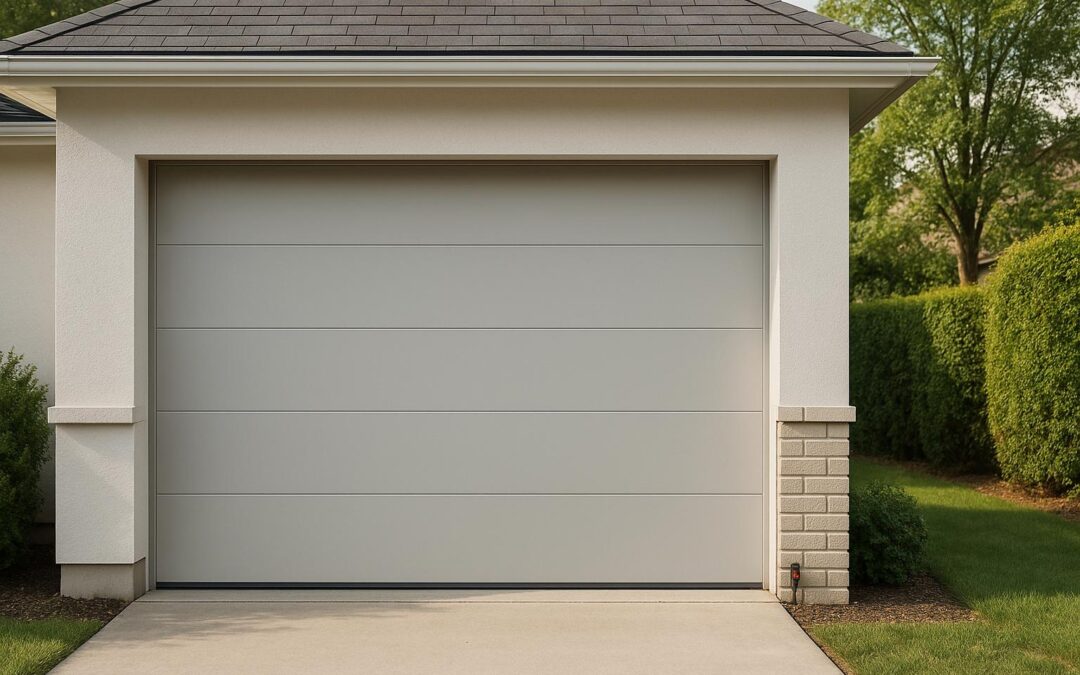
Your garage door is more than just a convenience – it’s a heavy, complex mechanism that can pose serious safety risks if not properly maintained. Every year, thousands of injuries occur due to garage door malfunctions, often caused by mechanical failures or worn-out components. The good news? Regular maintenance and safe operation can significantly reduce these risks.
Key Takeaways:
- Safety Features: Modern garage doors include photo-eye sensors and auto-reverse mechanisms to prevent accidents.
- Safe Practices: Always check the area before closing, store remotes securely, and avoid walking under a moving door.
- Maintenance Tips: Inspect and clean sensors monthly, listen for unusual noises, and test the door’s balance to ensure smooth operation.
- When to Call a Pro: Issues like spring replacement, sensor malfunctions, and track alignment require professional expertise.
By combining routine checks with professional assistance, you can ensure your garage door remains safe and reliable for years to come.
The ONLY Garage Door Safety Checklist You’ll Ever Need (Free Download)
Key Safety Features for Modern Garage Doors
Modern garage doors come equipped with safety mechanisms designed to safeguard both you and your belongings. One of the most important features – required by federal law since the early 1990s – is the photo-eye sensor system.
Photo-Eye Sensors
Photo-eye sensors rely on infrared technology. Here’s how they work: an emitter sends out an infrared beam, and a receiver on the opposite side detects it. These sensors are typically installed 4–6 inches above the ground on either side of the garage door opening. If something – like a child, pet, or even a vehicle – interrupts the beam while the door is closing, the system immediately signals the door opener to stop and reverse the door back to its fully open position.
To make it easy to monitor the system, indicator lights are included. A steady light means the sensors are clear and properly aligned. If the lights are blinking, it usually points to a blockage or misalignment. And if there’s no light at all, it could indicate a wiring issue or a system malfunction [1][2][3].
How to Prevent Common Garage Door Accidents
Keeping your garage door safe requires a mix of regular maintenance and mindful operation. By following a few simple precautions, you can reduce the risk of injuries and keep your family safe.
Safe Operation Practices
- Store remotes securely. Keep garage door remotes out of children’s reach. A good spot is your vehicle’s visor or a high shelf. Kids might see the remote as a toy, but a moving garage door can be dangerous.
- Check the area before closing. Make sure there are no pets, toys, or other obstacles in the door’s path before you hit the close button.
- Never walk or drive under a closing door. It might be tempting to slip through, but modern garage doors move quickly, and misjudging their speed can lead to serious accidents.
- Stay in your car while the door moves. Wait until the door is fully open or closed before getting out of your vehicle. Trying to assist or check the door manually can lead to injuries.
- Keep hands away from moving parts. Hinges, springs, cables, and tracks can easily pinch or crush fingers. Always stay clear when the door is in motion.
Beyond safe operation, testing your garage door’s safety features regularly is a critical step in accident prevention.
Testing Safety Mechanisms
- Check safety sensors monthly. Place a small object in the door’s path to ensure the photo-eye sensors trigger the door to reverse. For the auto-reverse mechanism, use a flat object where the door closes to confirm it responds promptly. If either feature doesn’t work as expected, call a professional.
- Test the manual release handle. Pull the handle to ensure the door can be operated manually without excessive effort. A sluggish response could indicate a problem.
- Inspect door balance. Disconnect the door and lift it halfway. If it doesn’t stay in place, the spring tension might need adjustment. This is a job best left to the experts.
Accident Statistics and Safety Standards
Modern safety standards, like auto-reverse systems and photo-eye sensors, have significantly reduced accidents. These features ensure the door reverses immediately if it encounters an obstruction, which is essential for preventing injuries.
It’s also worth noting that newer building codes or local regulations may require additional safety measures for garage doors. Check with your local building department to confirm your system meets current standards.
Treat your garage door as the powerful machine it is. Regular maintenance, safety checks, and careful operation will ensure it works smoothly while keeping your household safe.
sbb-itb-cf36777
Maintenance and Inspection Best Practices
Keeping up with regular maintenance is key to ensuring your garage door operates safely, lasts longer, and avoids expensive repairs. While homeowners can handle some routine checks, more complex issues should always be left to the pros.
Monthly and Annual Maintenance Checklist
Staying on top of these simple tasks can help your garage door perform smoothly between professional visits.
Monthly tasks are quick but essential. Start by observing the door in action. Pay attention to any jerky movements, strange noises, or sections that seem to stick or hesitate. These can be early signs of trouble.
Next, clean the sensors with a soft, damp cloth to remove dust and debris. You’ll find these sensors about 6 inches off the ground on either side of the door opening.
Test the door’s balance by disconnecting the opener and manually lifting the door halfway. A balanced door should stay in place without drifting up or down. If it doesn’t, the spring tension likely needs a professional adjustment.
Also, listen for unusual sounds like squeaking, grinding, or rattling. These noises often signal parts that need lubrication or replacement. A properly maintained door should operate fairly quietly.
Annual maintenance requires a closer look. Start by lubricating all moving parts – hinges, rollers, tracks, and the opener chain or belt – with white lithium grease. Skip WD-40, as it’s not designed for this purpose.
Inspect cables and springs for wear, fraying, or rust. Since these components are under high tension, leave any adjustments to the professionals, but catching problems early can prevent sudden failures.
Test the manual release handle to ensure it works smoothly. This feature is crucial in emergencies or power outages.
Check the weatherstripping around the door. Replace any sections that are cracked, brittle, or missing to keep out moisture, pests, and drafts, while improving your home’s energy efficiency.
Lastly, tighten all hardware, including bolts on hinges, tracks, and the opener mounting bracket. Normal operation causes vibrations that can loosen these connections over time.
When to Call a Professional
Sometimes, routine maintenance will uncover issues that need professional expertise. Certain repairs require specialized tools, skills, and safety precautions.
Spring replacement is a prime example. Garage door springs are under extreme tension and can cause severe injuries if mishandled.
If sensors malfunction and cleaning doesn’t fix the issue, it’s time to call in a pro. Safety sensors require precise alignment and electrical expertise to function correctly.
Cable issues are another job for professionals. These cables are tightly connected to the spring system and can be dangerous for anyone without proper training to handle.
Problems with the opener motor, electrical components, or programming of smart garage door systems often need specialized diagnostic tools and knowledge.
Even track alignment issues, which might seem straightforward, can lead to doors binding, falling, or operating unsafely if not handled properly. Professionals have the equipment and experience to get it right.
For urgent situations like broken springs, cables, or doors that won’t close, Titan Garage Doors Quad Cities offers 24/7 emergency services. Their technicians handle everything from minor adjustments to full system overhauls, ensuring your garage door meets current safety standards.
Don’t wait for small issues to become major problems. Professional maintenance visits are often more affordable than emergency repairs and can catch potential hazards early. Plus, technicians have access to genuine replacement parts and manufacturer warranties, ensuring your door stays reliable for years to come.
Combining routine homeowner checks with professional inspections is the best way to keep your garage door safe and secure. These steps help ensure your garage door remains a dependable entry point to your home.
Upgrading and Retrofitting Older Garage Doors
When safety concerns arise with an older garage door, many homeowners think replacing the entire system is their only option. However, retrofitting an existing door with modern safety features can often be a more budget-friendly and practical solution. By upgrading specific components, you can align your older system with today’s safety standards without starting from scratch.
Signs It’s Time to Upgrade
Certain warning signs suggest it might be time to give your garage door a safety and performance boost, especially if it’s been in use for decades.
Lack of modern safety features is a major red flag. For instance, garage door openers manufactured before 1993 typically don’t include photo-eye sensors, which became mandatory that year. These sensors, along with features like auto-reverse and emergency manual release handles, are essential for preventing accidents. Without them, your system is missing critical safeguards [4].
Age of the system can also be a deciding factor. Most garage door openers are designed to last 10–15 years. If yours is older than 15 years, it’s likely showing signs of wear and may be at greater risk of failure [4].
Operational issues such as hesitation, frequent repairs, or the need to press the opener multiple times to get the door moving could indicate failing components. Left unchecked, these problems could lead to safety hazards [4][5].
Physical wear and tear is another clue. If you find it difficult to manually lift the door during a power outage, the springs may no longer be supporting the door’s weight correctly. Similarly, a sagging or uneven door often points to balance issues that strain the motor and increase the risk of accidents [5].
Electrical problems like frequent power loss, tripped circuit breakers, or flickering lights might signal motor failure or faulty wiring. These issues shouldn’t be ignored, as they can compromise both performance and safety [4].
Unusual noises, such as grinding, screeching, or rattling, often mean that internal components like motors or gears are wearing out. These sounds are not just annoying – they could be a warning of potential system failure [4][5].
Benefits of Retrofitting
Retrofitting your garage door comes with several advantages, offering a safer and more efficient system while keeping your current setup intact.
Improved safety is the most compelling reason to retrofit. Adding features like photo-eye sensors and auto-reverse mechanisms can prevent accidents by stopping the door from closing on people, pets, or vehicles. These upgrades are especially important considering that over 13,000 people visit emergency rooms each year due to garage door-related injuries [5].
Lower costs make retrofitting an attractive option. Instead of replacing the entire door and opener, you can save money by upgrading specific components while keeping the existing panels and tracks.
Enhanced security comes with modern opener technology. Features like rolling code technology, which changes the access code with every use, help prevent unauthorized entry. Smart connectivity options also allow you to monitor and control your garage door remotely, adding an extra layer of convenience and peace of mind.
Better performance is another benefit. Upgrading components like the motor or drive system can result in quieter operation, faster response times, and smoother motion. Features like soft start/stop technology also reduce wear on the system, extending its life.
Meeting current safety standards is crucial, especially for insurance purposes or property inspections. Retrofitting ensures your garage door complies with today’s requirements, offering both safety and peace of mind.
Extended lifespan is possible when you replace worn parts before they fail entirely. By upgrading the opener and other key components while retaining functional door panels, you can add years of reliable performance to your system.
Retrofitting bridges the gap between older systems and modern safety expectations, allowing you to enhance your garage door’s functionality without a full replacement. For the best results, professional installation is recommended. Companies like Titan Garage Doors Quad Cities specialize in upgrades and emergency repairs, addressing issues like broken springs, malfunctioning sensors, or doors that won’t close – all to keep your home secure and safe.
Conclusion: Prioritizing Garage Door Safety
Garage door safety isn’t something to take lightly. Each year, injuries and even fatalities occur due to malfunctioning garage doors [7]. Every part of your garage door system – whether it’s sensors or the regular inspections – plays a role in keeping your home safe.
The foundation of garage door safety rests on three main practices: using up-to-date safety features, sticking to a regular maintenance schedule, and knowing when to call in the experts. Modern safety features, like sensors and auto-reverse mechanisms, are essential safeguards we’ve already covered.
Routine maintenance is just as important. But if you notice red flags such as sagging sections, odd noises, or components that aren’t working properly, it’s time to reach out to a professional right away [6][7].
"Without proper training, the process of repair is complicated." – Dependable Overhead Door Co. [6]
"Trying to repair garage door issues alone often leads to more problems and expenses." – Dependable Overhead Door Co. [6]
This is why professional maintenance – ideally done at least twice a year – can make such a difference. Trained technicians can spot potential problems early, helping to prevent accidents and avoid costly repairs [6][7].
Even if you have an older garage door system, safety measures still apply. Retrofitting older doors with modern features can be a practical and budget-friendly way to meet current safety standards. Rather than replacing the entire system, these upgrades can extend the life of your door while improving its safety.
FAQs
What are the warning signs that my garage door needs professional maintenance or repair?
If your garage door starts making odd noises like grinding, rattling, or screeching, it’s often a sign that parts like the springs or rollers are worn out and need to be checked. You might also notice other warning signs, such as the door moving slower than usual, operating unevenly, or sagging when it’s partially open. And if the door isn’t opening or closing properly, that’s a definite signal that it’s time to call in a professional for repairs.
Taking care of these problems quickly can help avoid more serious damage and keep your garage door running smoothly and safely for your family.
Can I add modern safety features to my older garage door without replacing it?
Yes, you can improve the safety of your older garage door without replacing the entire system. A great way to do this is by adding infrared safety sensors. These sensors detect obstacles in the door’s path and automatically reverse the door to prevent accidents. For them to work effectively, make sure they’re installed no more than 6 inches off the ground and aligned properly.
Another smart upgrade is replacing your garage door opener with a model that includes safety features like auto-reverse mechanisms. This is an affordable way to bring your system up to date while boosting safety. To ensure everything is installed and functioning as it should, professional installation is worth considering.
Make it a habit to test both the safety sensors and the auto-reverse feature regularly. This simple step helps ensure everything is working smoothly and keeps your family safe.
What are the dangers of trying to fix a garage door without professional help?
Repairing a garage door on your own can be incredibly risky. The high-tension components, like springs and cables, are under immense pressure and can snap or release without warning. This can result in severe injuries or, in extreme cases, even fatalities. On top of that, mishandling these parts could cause the door to fall unexpectedly, endangering anyone nearby.
Trying to fix it yourself could also lead to unintentional damage to the door or its mechanisms, which might end up costing you even more in repairs later. To stay safe and avoid costly errors, it’s always a smart move to leave garage door repairs to experienced professionals.